

At the V&A in London, Constantinople and Istanbul finally share a room.
By SIR Art Journal Editorial Team · November 2026
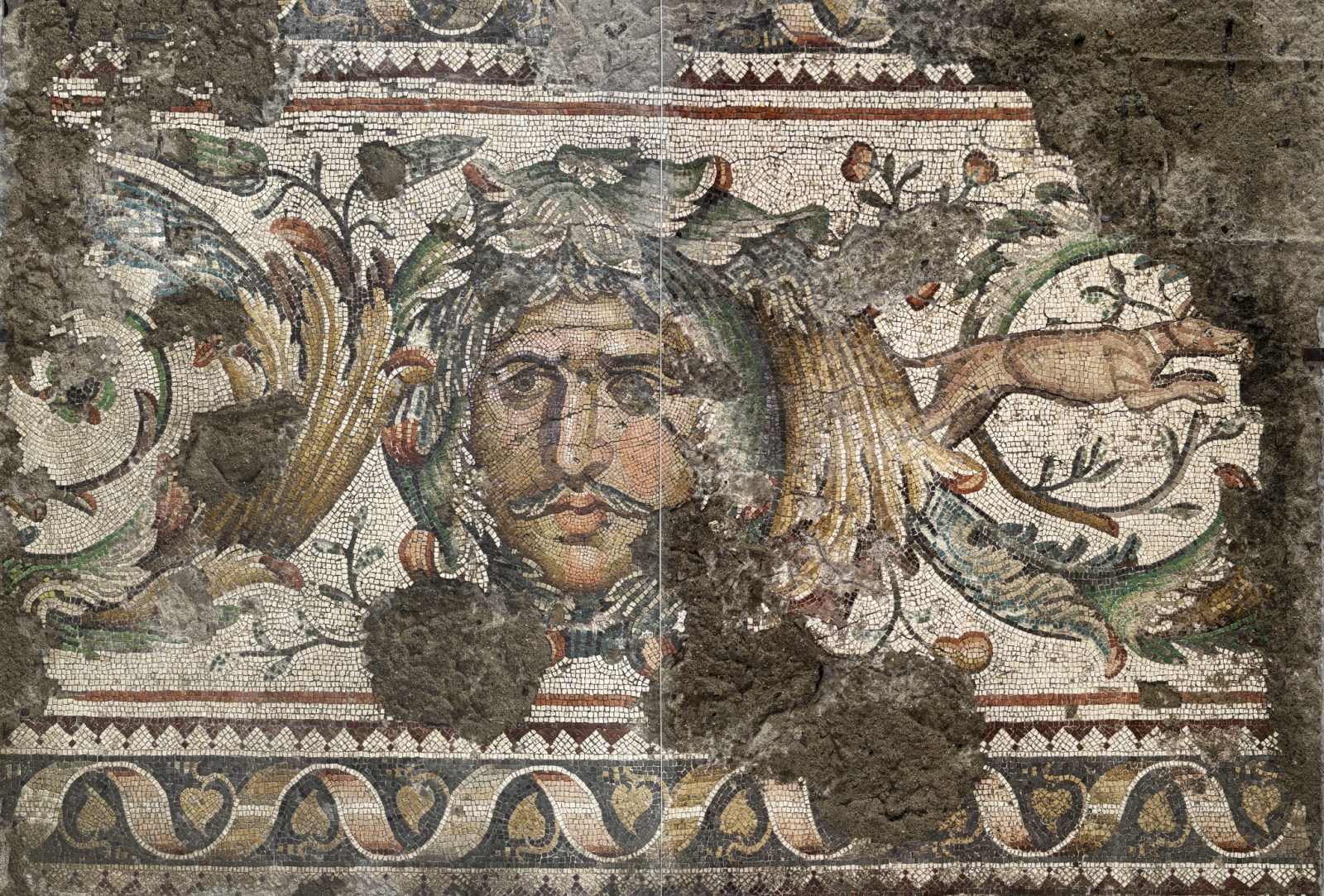
Most museums keep them apart. Byzantium sits in one gallery, the Ottomans in another, and 1453 works like a wall between them. Constantinople to Istanbul: One City, Two Empires, opening on 7 November at V&A South Kensington, asks a simpler question: what if we looked at the city itself, rather than the empires that ruled it?
The answer runs to more than 200 objects and some 1,600 years — from the city’s refounding by Constantine in AD 330 to the end of the Ottoman state in 1922. Curator Tim Stanley describes the aim as bringing together “two worlds that are usually kept well apart”. The exhibition is curated by Stanley with project curator Bella Radenovic.
Two rulers, face to face
One of the quieter pairings in the show says a great deal. A bronze medal made by Pisanello around 1438–43 shows John VIII Palaiologos, one of the last Byzantine emperors, in his tall, sharp-brimmed hat. A second medal, by the Venetian Gentile Bellini, shows Mehmed II, the sultan who took the city in 1453. Both were portrayed by Italian artists, in the same European format. Placed side by side, they almost look at each other.
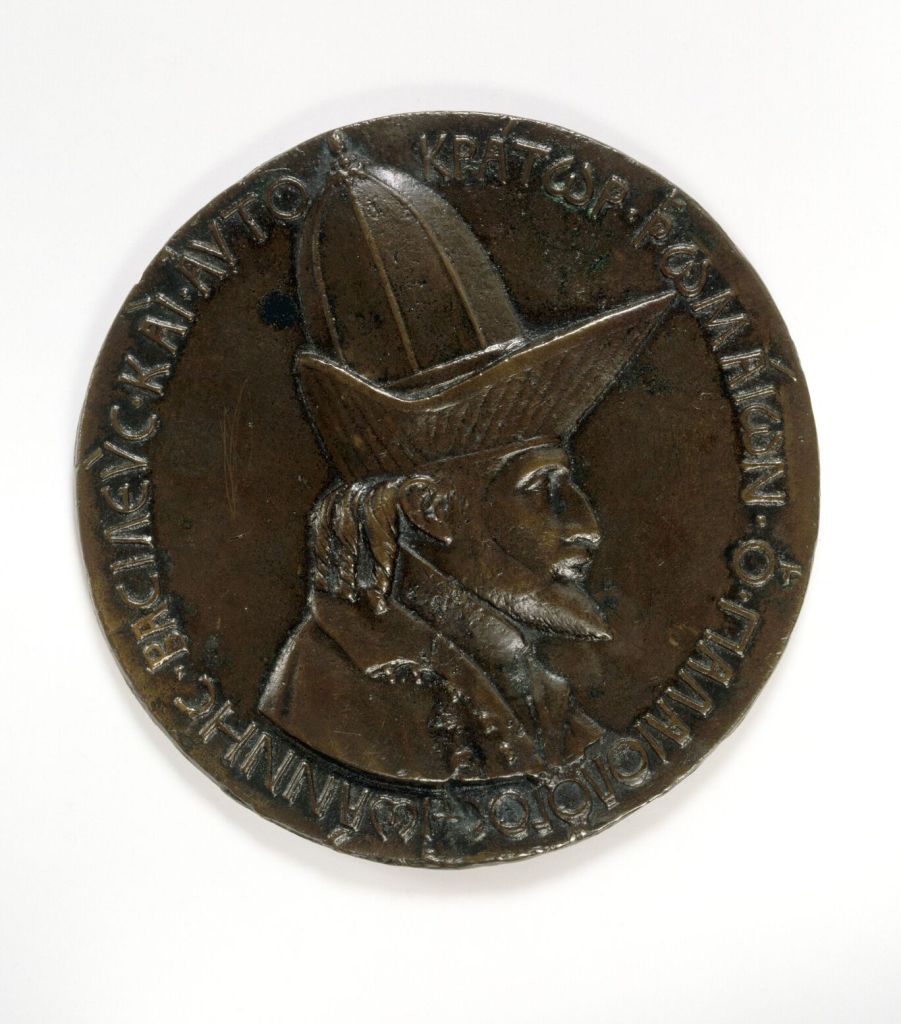
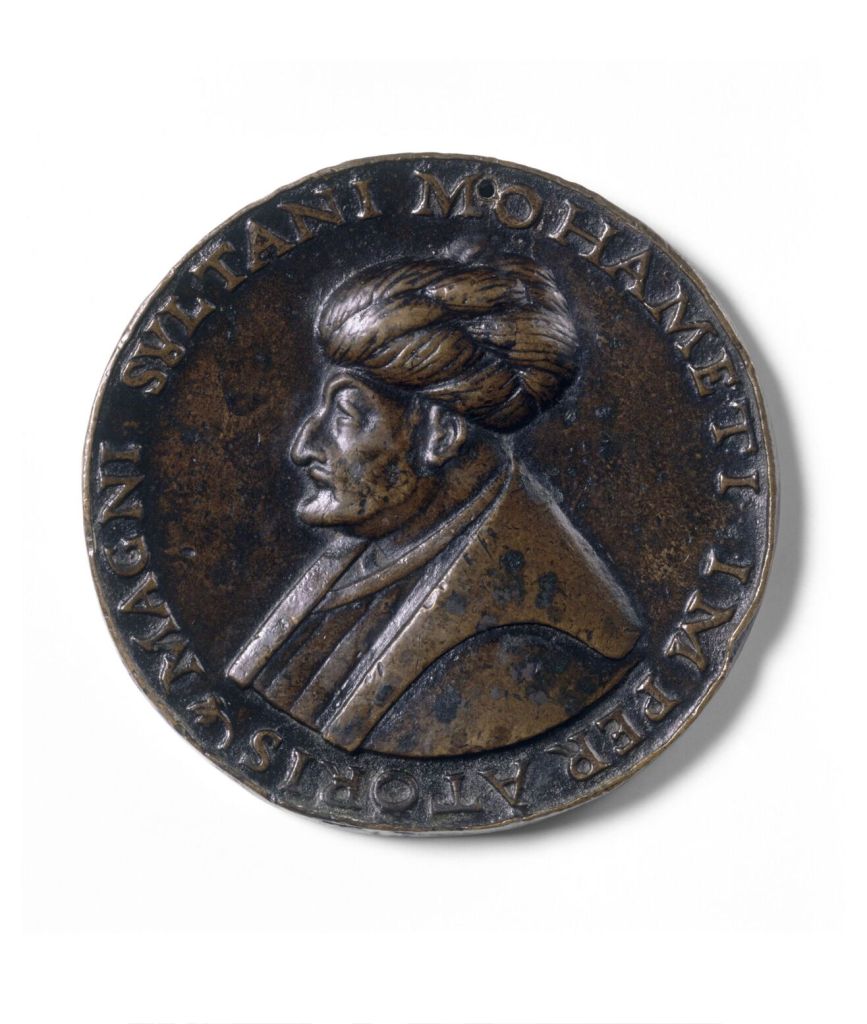
We like this because it is not a story of rupture. It is a story of a city that kept its habits — of display, of craft, of trade — while its rulers changed.
What you will see
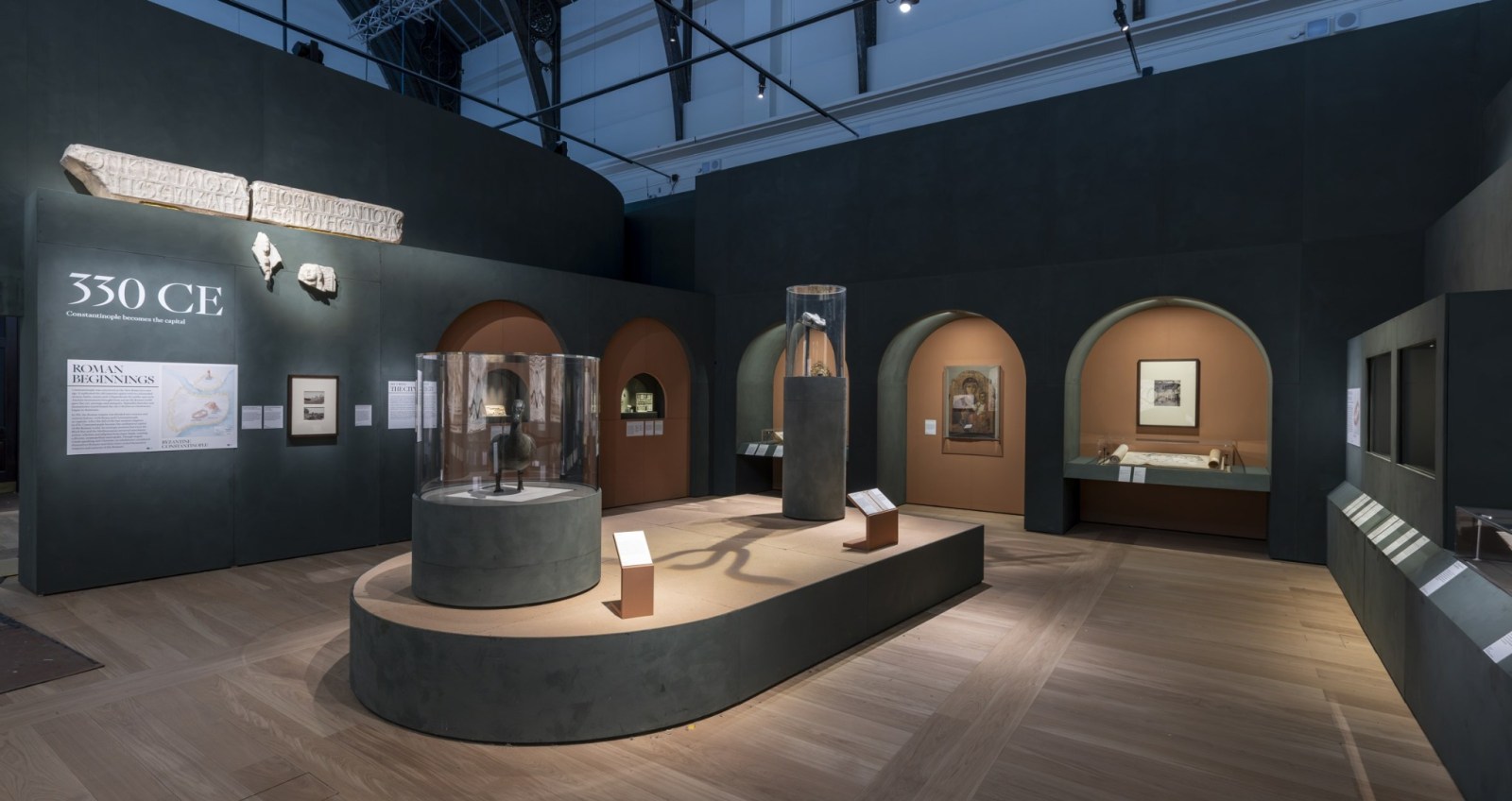
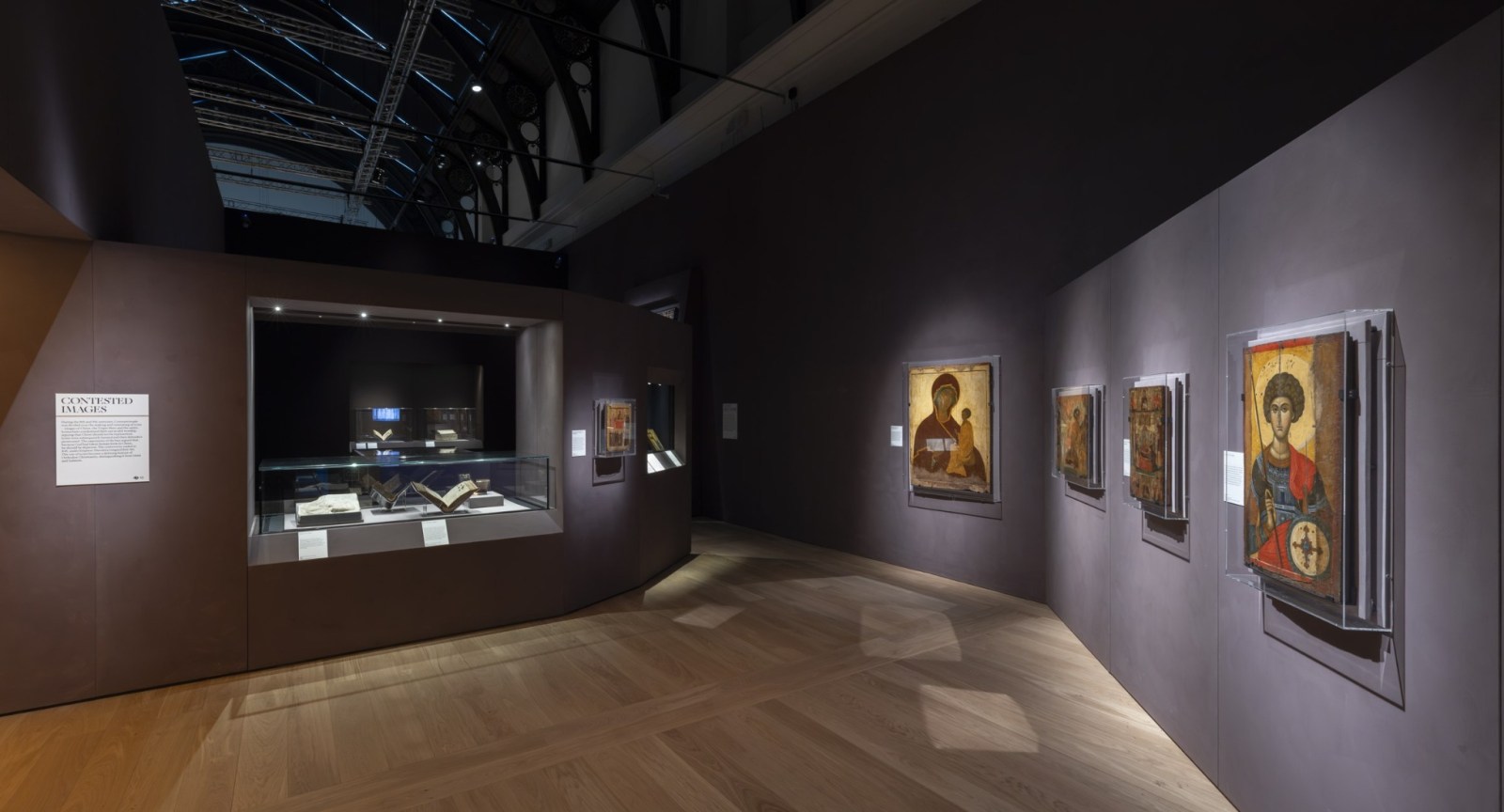
The exhibition moves through four parts. It opens with the Roman city and its Hippodrome, continues with Byzantine religious art and the workshops around Hagia Sophia, turns to the Ottoman court and its processions, and ends with everyday Istanbul: coffee houses, bathhouses, music and many languages.
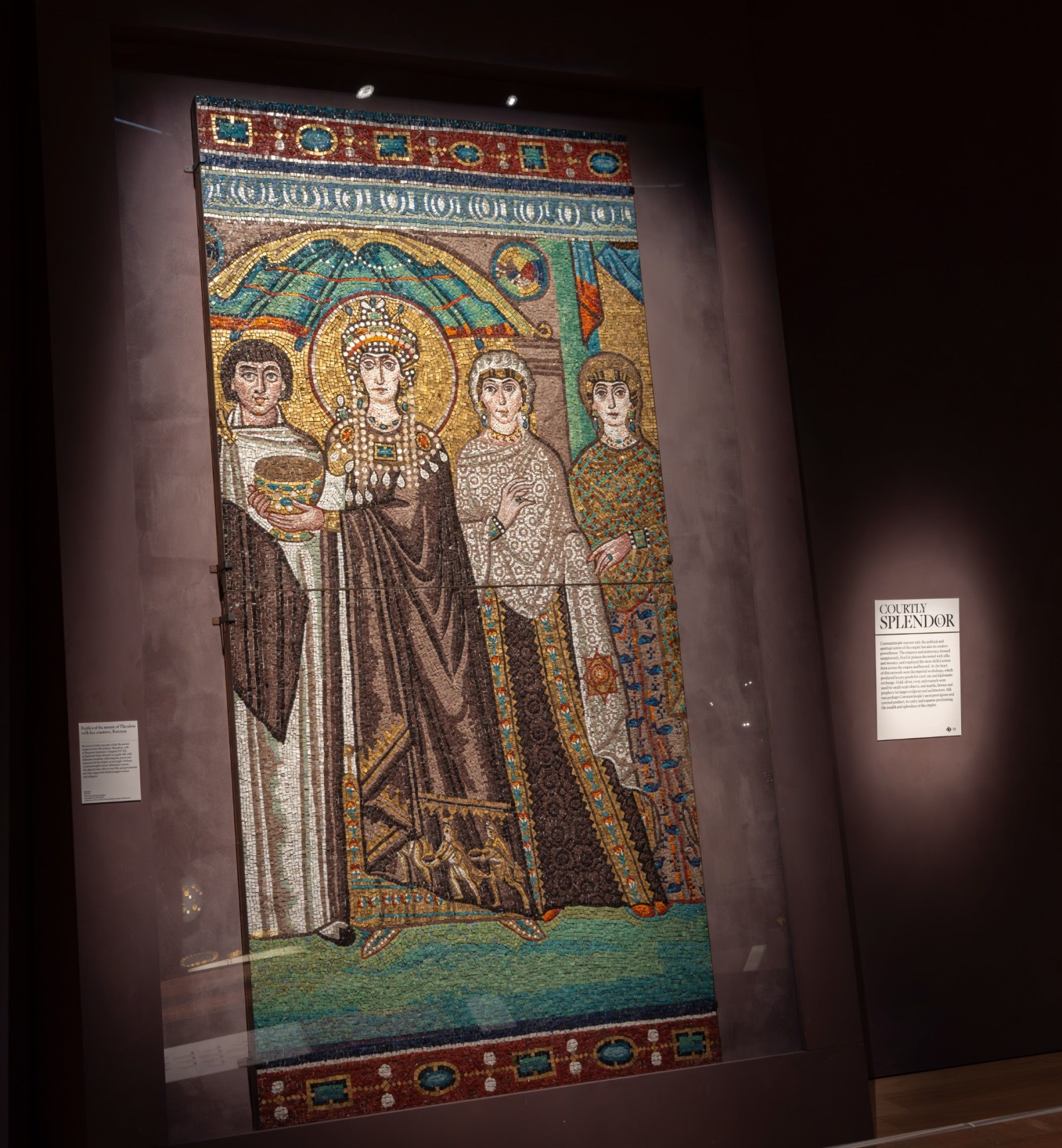
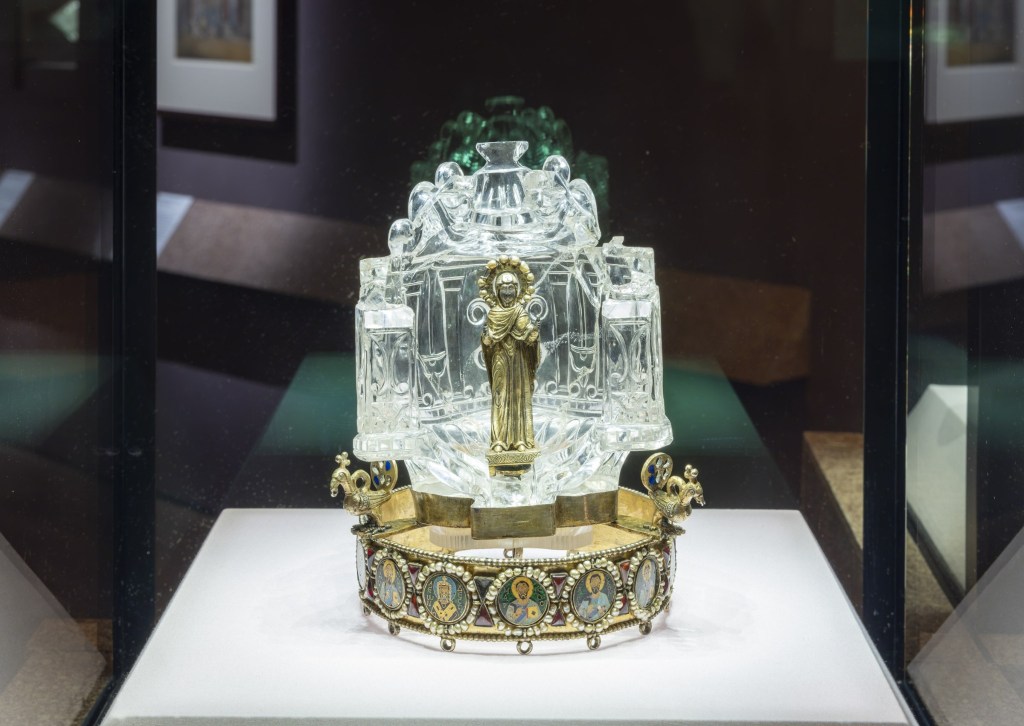
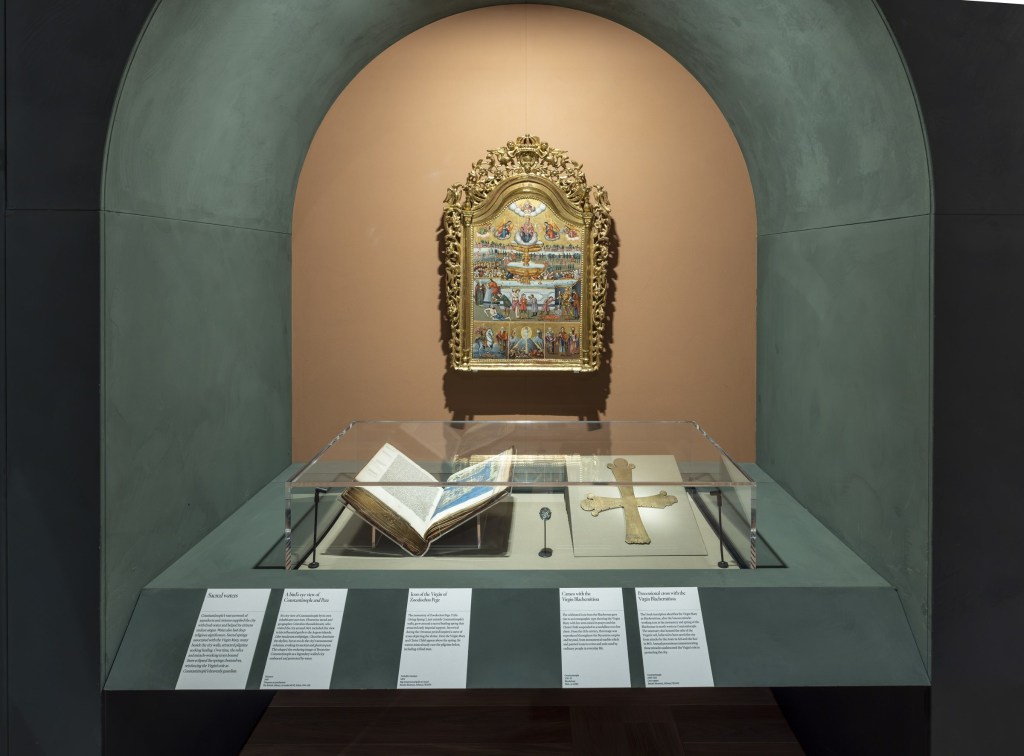
Among the loans:
- a fragment of the 6th-century Great Palace Mosaic, from Istanbul
- a jewelled ivory belt from the Museum of Turkish and Islamic Art, Istanbul
- a silk üeçetek entari from the Sadberk Hanım Museum
- Gentile Bellini’s 1479 portrait of Mehmed II, from the National Gallery, London
- Osman Hamdi Bey’s Ladies Taking a Walk (1887), from the Yapı Kredi Bank Collection
- a velvet covering woven in Bursa, from the Benaki Museum, Athens
A closing section follows how Byzantine and Ottoman art fed 19th-century European design, including work by William Morris.
Why it matters from Istanbul
It is unusual to see your own city explained elsewhere, at this scale. It can be moving; it can also raise questions about who tells the story, and from where.
Visit
Constantinople to Istanbul: One City, Two Empires
V&A South Kensington, Cromwell Road, London SW7 2RL
7 November 2026 – 9 May 2027
In partnership with Koç Holding, with support from the Huo Family Foundation.
Tickets and times: vam.ac.uk